BONDAR'S PRODUCTION
CONFERENCE AV COMPANY IN AUSTIN
Full conference AV. Without the hotel markup.
Most Austin hotels allow an outside audio visual company.
We run every room, handle the venue paperwork, and show every line of the quote before you sign.
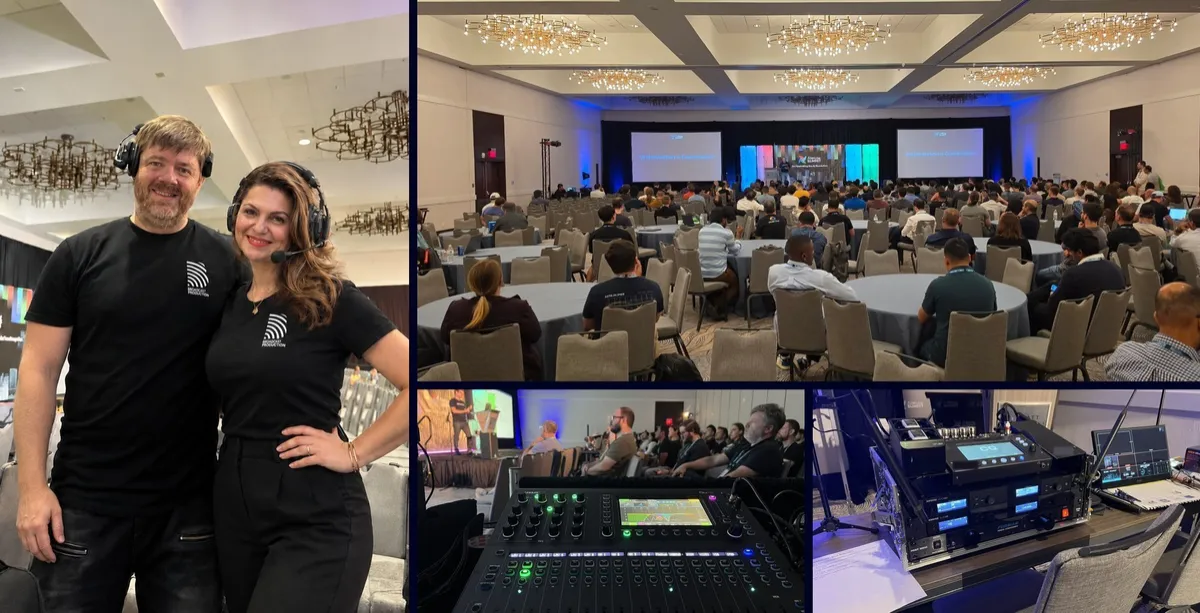
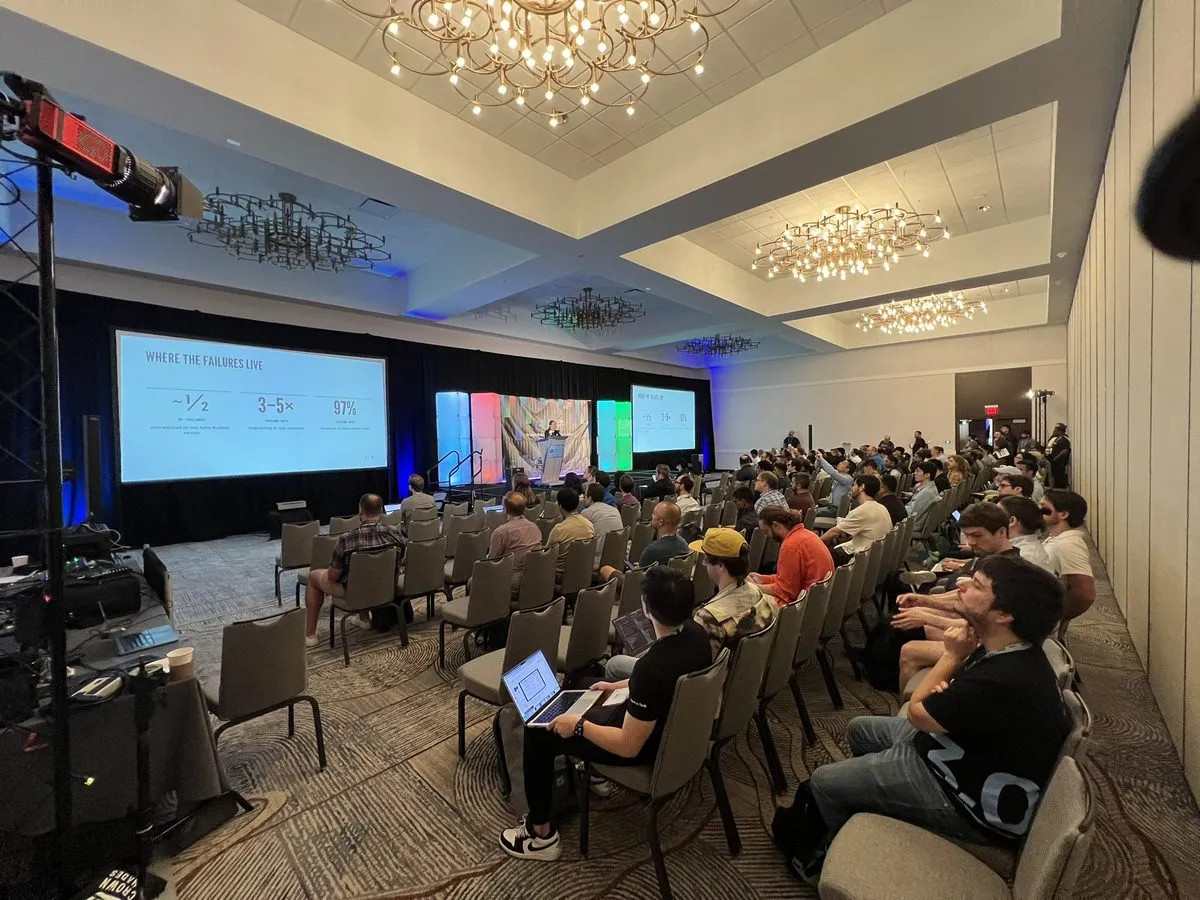
On site at Airflow Summit 2026 - Hyatt Regency Austin
Trusted by Texas'
Fastest-Growing Companies










2017
In business since
50+
Conferences and events covered
4
Texas cities we cover
Insured
COI available for your venue
YOUR HOTEL'S AV QUOTE IS NOT YOUR ONLY OPTION
Most Austin hotels allow an outside AV company.
The number that matters is the quote you start from, not the discount you get off it.
STAYS WITH THE HOTEL
WHAT YOU PAY EITHER WAY
Power distribution for the AV gear
A liaison or support fee
Outside vendor handling fees
A certificate of insurance from your AV company
WE BRING
WHAT YOU CAN BRING IN FROM OUTSIDE
All equipment: screens, projectors, sound, mics, lighting
The crew that runs every room
Streaming and session recording
Event internet, in some cases
We've run multi-room AV at Hyatt Regency Austin and handle the outside vendor process at Austin's conference venues: load-in paperwork, dock scheduling, insurance certificates, and power coordination with the venue team. For a single small room, the hotel's in-house team is often the right call. We'll tell you if that's your case.
WHAT FULL AUDIO VISUAL PRODUCTION INCLUDES
STAGING, SCREENS, PROJECTION
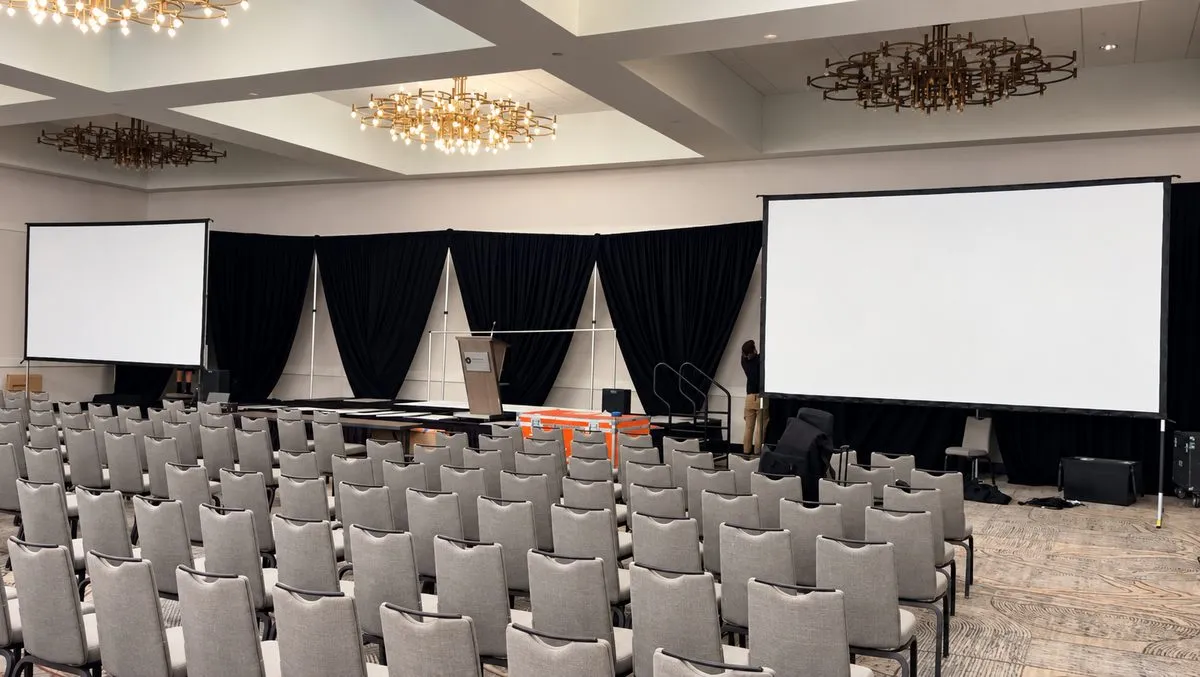
Stage, large-format screens, laser projectors, and confidence monitors, set and tested before doors open.
SOUND AND WIRELESS MICS
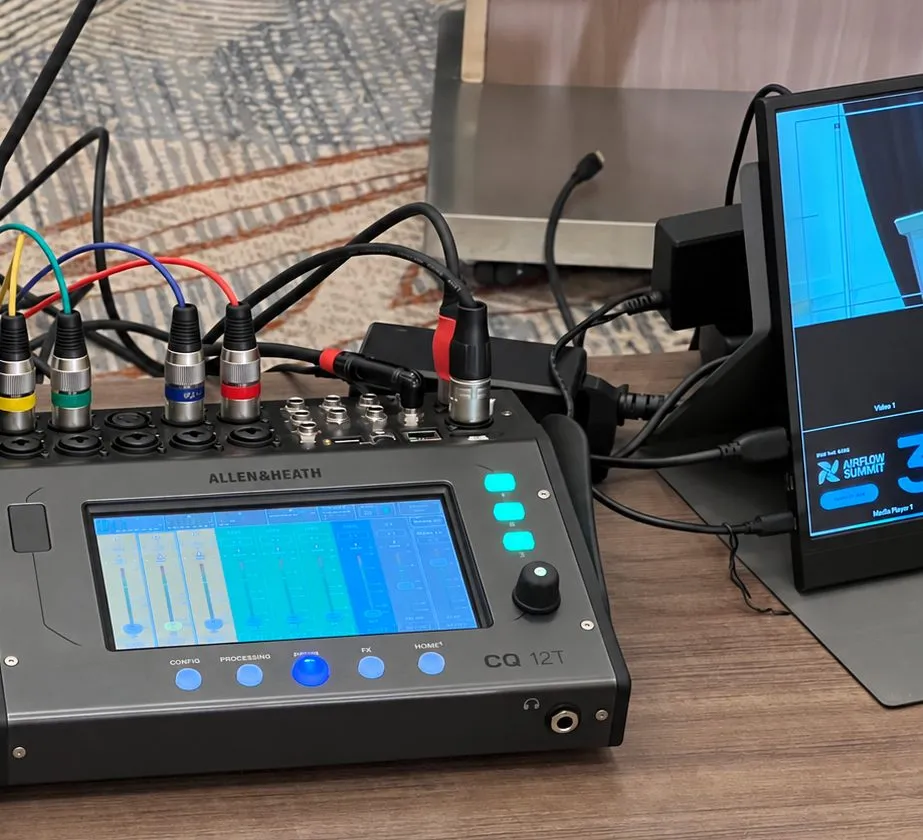
Speakers, digital mixing, and handheld and lavalier mics on coordinated frequencies, with an engineer on the mixer.
STAGE AND ACCENT LIGHTING
Speaker lighting that keeps the house lights down and the slides readable from the back row.
STREAMING AND RECORDING
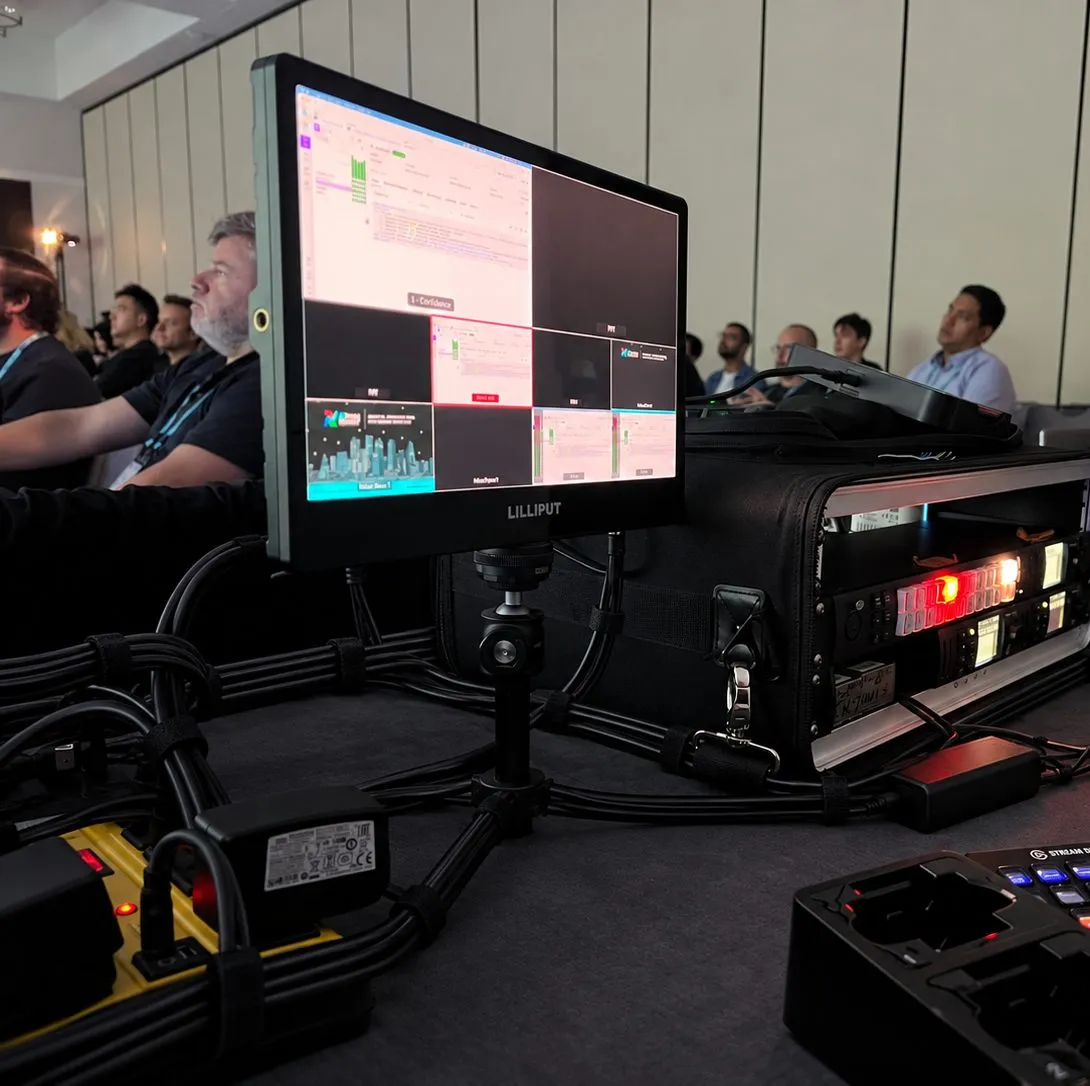
Multi-camera streams for remote attendees, and every session recorded with clean mixer audio.
EACH BREAKOUT ROOM
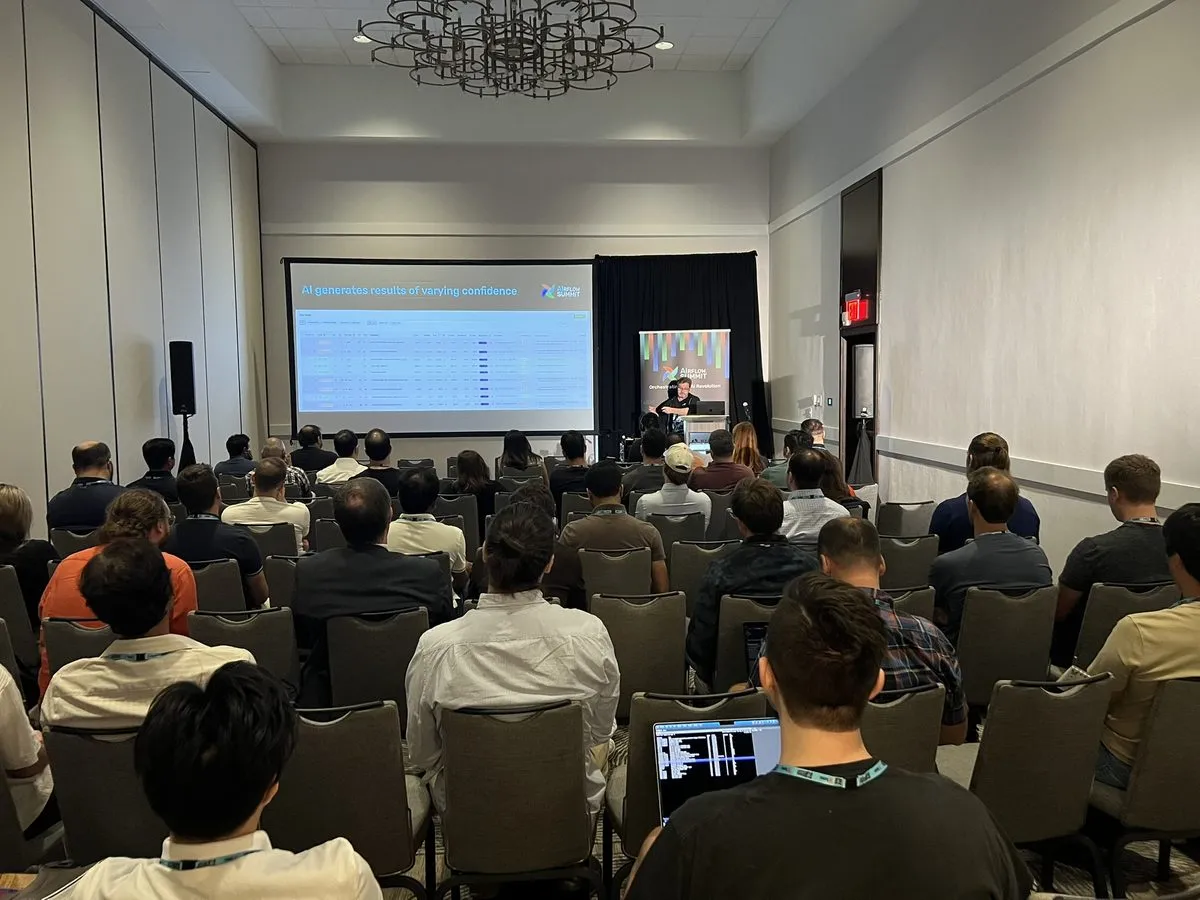
Projector and screen, two speakers, compact mixer, wireless mics, stage light, and one dedicated technician.
CREW AND TECHNICAL DIRECTION
Load-in, show-day operation in every room, and strike. One point of contact runs it all.
CASE STUDY
AIRFLOW SUMMIT 2026, HYATT REGENCY AUSTIN
THE BRIEF
A 3-day tech conference: one general session and three breakout rooms running at the same time.
WHAT WE RAN
Staging, sound, screens, projectors, wireless mics, stage lighting, scenic light columns, registration displays, and crew in every room.
WHAT WAS HARD
The scope grew four times in the two months before the event. The load-in date didn't move.
THE RESULT
On schedule, no overtime, no technical failures across all four rooms.
"It was a pleasure to work with Bondars for Airflow Summit 2026 at Hyatt Regency Austin. They helped us plan things, avoid unnecessary expenses and costs, and then during the event everything ran perfectly. I highly recommend them."
Pedro Galvan
Head of Content & Technology, Software Guru
WHAT CONFERENCE AV COSTS IN AUSTIN
ROOMS AND DAYS
Each room running at the same time needs its own screen, sound, and technician. Every extra day on site adds crew time.
MICS AND SPEAKERS
Panels, live demos, and Q&A need more mics and more mixing. Your run of show tells us how many.
STREAMING AND RECORDING
Remote attendees and session recordings add cameras, a switcher, and an operator.
01
SCOPE CALL
Rooms, attendance, mic counts, live demos, recording.
02
ITEMIZED QUOTE
Every line visible, priced by room and day.
03
RUN OF SHOW REVIEW
One week out: sessions, speakers, mic order, playback.
04
SHOW DAYS
Load-in, tech test with you, live operation, strike.
EVERY QUOTE IS ITEMIZED
You see each line, and what it does, before you sign.
WHAT WE'LL ASK YOU FOR
A run of show, speaker order for lavalier mics, and which talks include live demos or video with sound.
WHO YOU WORK WITH
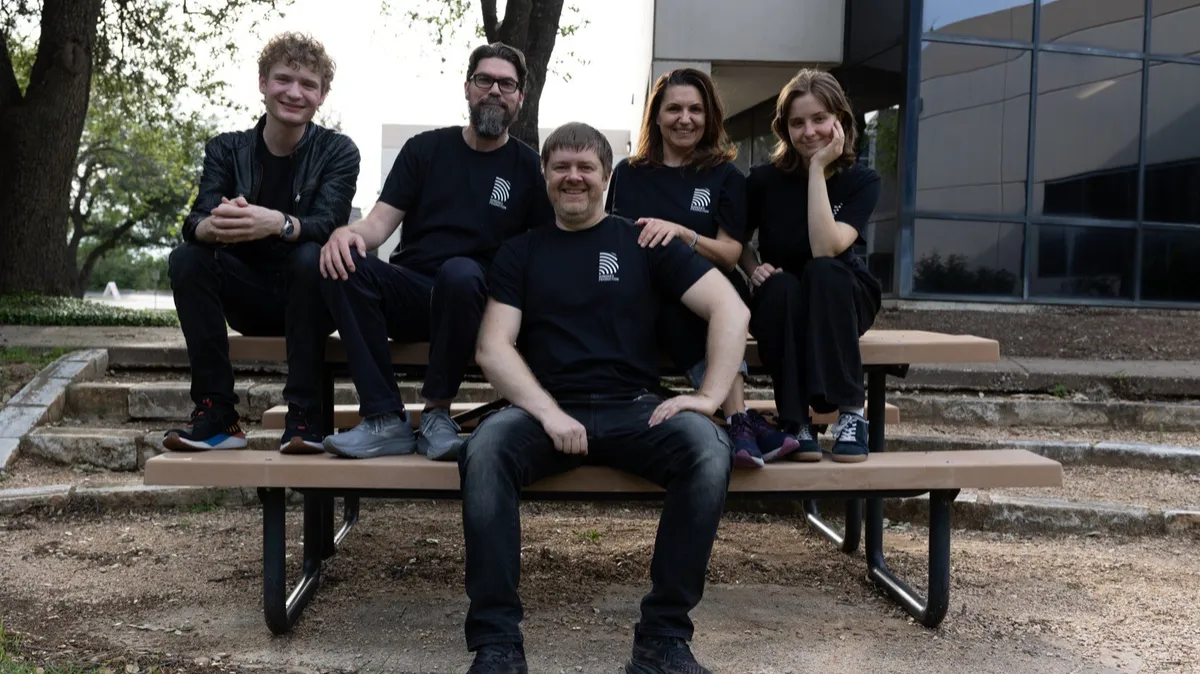
Bondar's Production is Jane and Dmytro Bondar, a family-run production company in Austin since 2017. Dmytro leads AV and production on site. Jane leads editing and every piece of video that comes out of your event. Crew scales with the number of rooms, and everyone on site works under Bondar's Production.
Need the video too? The same team films and edits highlight reels, speaker reels, and full session recordings. See our video production work in Austin
QUESTIONS ORGANIZERS ASK
Can I use an outside AV company at an Austin hotel?
Yes. Most Austin hotels allow an outside AV company, and the in-house quote is rarely your only option. What you need to know is which costs stay with the hotel no matter who runs the AV:
- Power distribution for the AV equipment
- A liaison or support fee for the venue's team
- Handling fees for anything shipped to the hotel ahead of time
- Hardwired internet if you're streaming
- A certificate of insurance from your AV company, naming the venue
Everything else - screens, projectors, sound, mics, lighting, streaming, recording, and the crew that runs every room - you can bring in from outside.
We handle the outside vendor process with the venue for you: the load-in paperwork, the loading dock schedule, tech table placement on the floor plan, staging times, air walls, and house lighting access. You don't need to learn any of it.
One more thing most organizers don't know: on those fees, you hold the leverage with the hotel, not the AV company. Your room block and food and beverage spend are what make a hotel flexible. We'll tell you which lines to question and what to ask for.
How much does conference AV cost in Austin?
We price every conference on what it actually needs - rooms, days, mics, streaming, and recording - and you get an itemized quote with every line explained before you sign. Nothing shows up for the first time on the final invoice.
If the number is above your budget, we don't discount the same scope and cut corners on show day. We show you what to change instead - fewer breakout days, a simpler stage look, recording without streaming - and exactly what each change saves.
Already have a quote from your hotel? Send it over. We'll mark which lines you can bring in from outside and which ones you'll pay the hotel either way.
How far in advance should we book?
As soon as you have dates and a venue. For a multi-room conference, 8 to 12 weeks ahead is ideal.
Booking early matters for two reasons. The best crew and equipment in Austin get reserved first during conference season. And the hotel's outside vendor requirements - insurance, load-in paperwork, power, internet - take time to work through, and we'd rather do that with you calmly than in the final week.
Short on time? Contact us anyway. We've set up a live stream on four days' notice, and we'll tell you honestly what's realistic for your dates.
What are your payment terms?
A 50% deposit reserves your dates, along with the crew and equipment for your event. The balance is due within 30 days after the event, so you pay the rest after you've seen the show run.
Anything you add on site - an extra mic, power for a recording table - is listed separately and highlighted on the final invoice, so you can see exactly what changed and why.
What does a breakout room setup include?
Every breakout room gets a complete, self-contained setup, so each session sounds and looks like it belongs to the same conference:
- A projector and a large screen, sized to the room so the back row can read the slides
- Two speakers on stands - plenty for 30 to 50 people
- A compact digital mixer where every mic and laptop comes in
- Wireless mics on their own coordinated frequencies, so rooms never interfere with each other
- A stage light aimed at the speaker, so the room can stay dim and the slides stay readable
- One dedicated technician who stays with the room all day
Speakers plug their own laptops in at the podium, and live demos work the same way. Sound from a speaker's laptop is routed straight into the mixer, so a video in a deck plays through the room speakers, not the laptop.
Between sessions the screen goes blank unless you'd like a branded holding slide - send it and we'll set it up. Every room is connected to the crew by headset, so if something needs attention, the right person knows in seconds, not after someone runs down the hallway.
Who is my point of contact on show day?
Dmytro Bondar. He's your single point of contact from the first call through strike, and he's on site for the whole event.
You talk to Dmytro; he coordinates the crew. Every room's technician is on headset with him, so one message reaches whoever needs to act. No vendor phone tree, no guessing who to call, and no explaining the same problem twice.
What happens if something fails during a session?
Our job is to make sure it doesn't, and to fix it fast if it does. Here's how:
- Every room is checked every morning. On show days we're in the building before doors to power up and test each room.
- A full tech test with you before the first session: every mic, screen, projector, and presentation.
- An audio engineer on the main room mixer all day, watching levels so a loud speaker or a panel doesn't clip.
- Coordinated wireless frequencies, so mics don't drop out or interfere with other rooms.
- Headsets across all rooms, so a problem in a breakout reaches the right person in seconds.
- Spares on site: backup mics, fresh batteries, and a backup presentation laptop, ready to swap in mid-session.
And if a speaker's own laptop is the problem - wrong adapter, no video out - we have the adapters for every laptop presenters show up with.
Do you stream to Zoom, YouTube, or Teams?
Yes. We pick the platform by what your audience needs to do.
Zoom - when remote attendees need to ask questions and chat. We've run a paid workshop on Zoom Webinar for viewers in Germany, the Netherlands, France, Belgium, and New York, with every link tested from outside before going live and someone working the chat while the coach taught.
YouTube, Vimeo, or your own platform - when picture quality matters more than interaction. A hardware encoder sends the program feed directly, so your stream doesn't depend on someone's laptop.
Teams - yes. When your company runs on Microsoft, we feed your Teams meeting or webinar from the same production setup, so people joining remotely get the same picture and sound as the room.
Remote speakers join over Zoom. Their video goes to the room screens and their audio into the house sound, so the room hears them as clearly as someone on stage. We run a connection test with each remote speaker before the event.
Internet: a stable stream needs a hardwired line, which most Austin hotels sell separately. We'll tell you exactly what to order. On weaker connections we use SRT, a streaming protocol built to stay stable on unreliable networks.
Do you record sessions, and who owns the footage?
Yes. Every session can be recorded with clean audio taken straight from the mixer, not from a camera mic at the back of the room. That's the difference between a recording people finish watching and one they close after a minute.
Two ways to do it:
- We record for you. Two cameras per session - a wide shot of the stage and slides, and a tight shot of the speaker - edited into a full presentation with a branded intro and speaker titles.
- You record yourself. If your team already has a recorder, we give you a clean feed: the slides plus the mixer audio, ready to plug in.
Raw footage is delivered within 24 hours through Frame.io. Edited session recordings typically follow within about a week, and a highlight reel can be turned around on the event day itself if you need it for social.
Ownership: you own the recordings we deliver, and you can use them anywhere - your website, YouTube, social media, sales, and internal training. We only ask to show selected clips in our portfolio, and we'll skip that if your event is confidential. We keep edited files for one month after delivery and raw footage for one week after you download it. Need us to hold onto it longer? Extended storage is available.
How early do you need the run of show?
One week before the event at the latest. Crew call times, mic assignments, and playback setup are all built from it, so the earlier we have it, the calmer your show day is.
Here's what we'll ask for, room by room:
- Doors time, and the first and last session in each room
- Each session's start time, length, and speaker names
- Who uses a lavalier and who uses a handheld
- Lavalier order as the audience sees the stage, so mics 1, 2, 3 match the people from left to right
- Which talks include live demos, or videos with sound
- Q&A sessions that need a roaming mic
- Panel chair counts
- Your emcee, and holding slides for between sessions
Don't have all of it yet? Send what you have. We'll fill in the gaps with you on a call and flag anything that changes the crew or the equipment, so there are no surprises on show day.
When do you set up, and how long do you need the room?
Usually the day before your first session. We load in through the hotel's loading dock in the morning and build in a set order: main room first, breakouts second, lighting and decor last. We coordinate with the venue so the stage and tables are already in place when we arrive - that alone saves hours.
By the afternoon, every room is built and you get a full tech test with us: every mic, screen, and presentation. On show days we're in the building early to power up and check every room before attendees arrive.
Strike starts as soon as your program ends, heaviest items first, so the rooms are clear on time.
Want to see the room with us first? We'll walk the venue with you before the event, so you can see where the screens, tech tables, and cable runs will go, and settle questions while there's still time to change things.
What if we add rooms or sessions after we sign? Is there overtime?
Changes are normal. On our largest conference so far, the scope grew four times before show day, and the load-in date never moved.
Every change is priced at the same rates as your original quote and confirmed with you in writing before we commit crew or equipment. You always know the new total before you approve it.
Overtime: show days are planned for up to 10 hours. If your program runs longer, time beyond that is billed at 1.5x, and you'll hear about it from us on the day, not for the first time on the invoice. On Airflow Summit, there was none.
What if the venue has no house audio feed?
Then it doesn't matter, because we don't depend on it. We bring our own complete sound system - speakers, a digital mixer, and wireless mics - so your audio, your stream, and your recordings all come from a source we control.
Without a proper mixer feed, a recording picks up the room instead of the speaker: echo, air conditioning, and coughing in the back row. We've had to rescue exactly that kind of recording in post-production for a client whose venue didn't provide one. Recording it right the first time is always better.
Do you work in Dallas, Houston, and San Antonio?
Yes. We're based in Austin and work across Texas - Austin, Dallas, Houston, and San Antonio - with travel within Texas built into the quote, not added at the end.
We've filmed conferences and corporate projects in all four cities, including HITEC 2026 in San Antonio, so we know how Texas hotels and convention centers handle outside vendors, loading docks, and setup windows.
Planning something outside Texas? Ask us. We travel nationwide and will tell you upfront what changes in the quote.
SEND YOUR EVENT DATE AND VENUE
Tell us your dates and venue. We'll call you within 24 hours with what your rooms need and an itemized quote.

Copyright 2026.
All rights reserved
Our Video Services
Contact Us


